Ceremonial Cacao
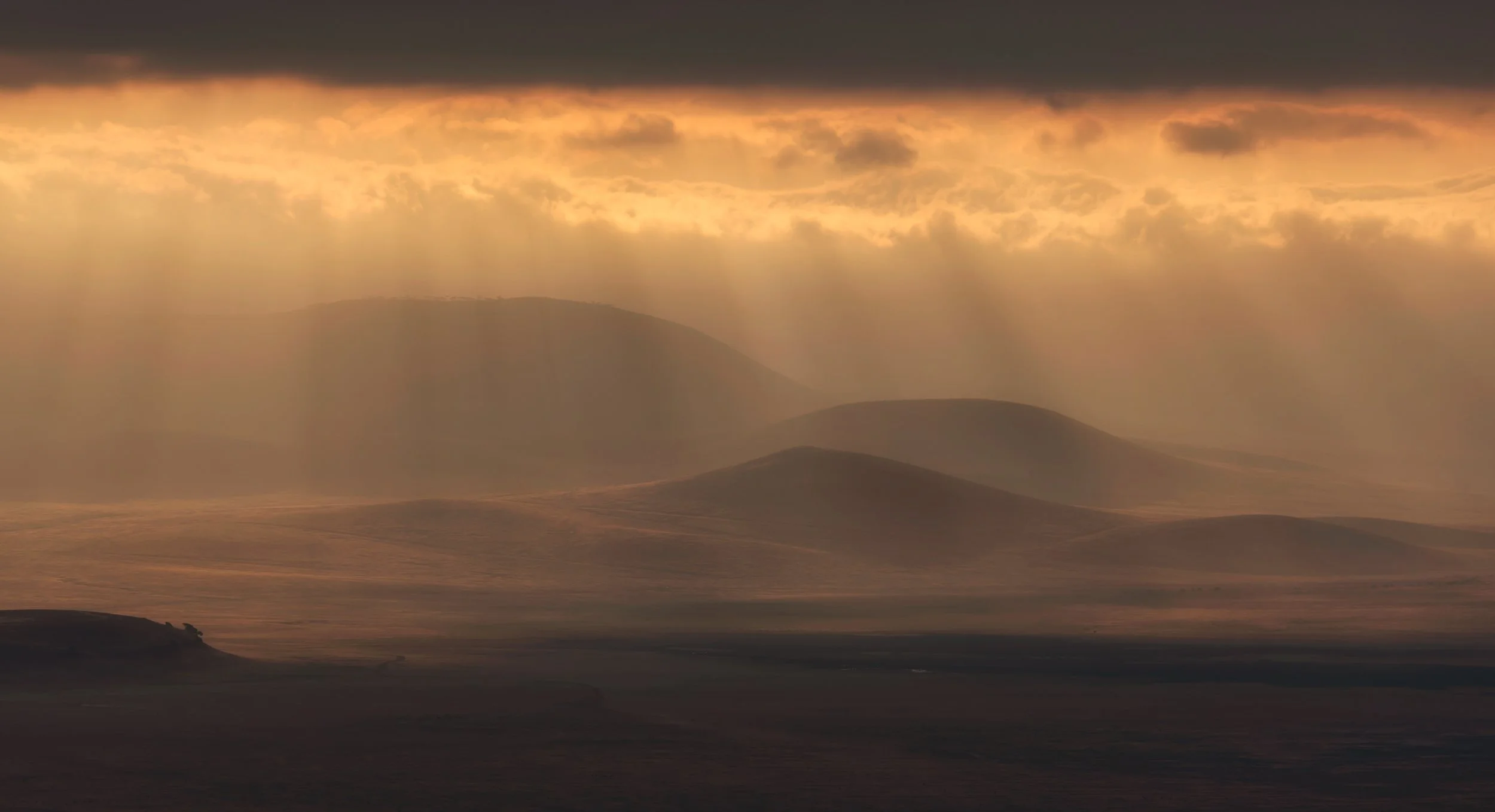
Tanzania, one of many places in the world where ceremonial cacao is grown.
Elixir of the gods - Cacao's frothy goodness has been making its way into the Western world for years now as yoga studios and homes are filled with the ritualistic use of this prized plant. The popularity of cacao ceremonies means it's become easier to source authentic, raw cacao from around the world.
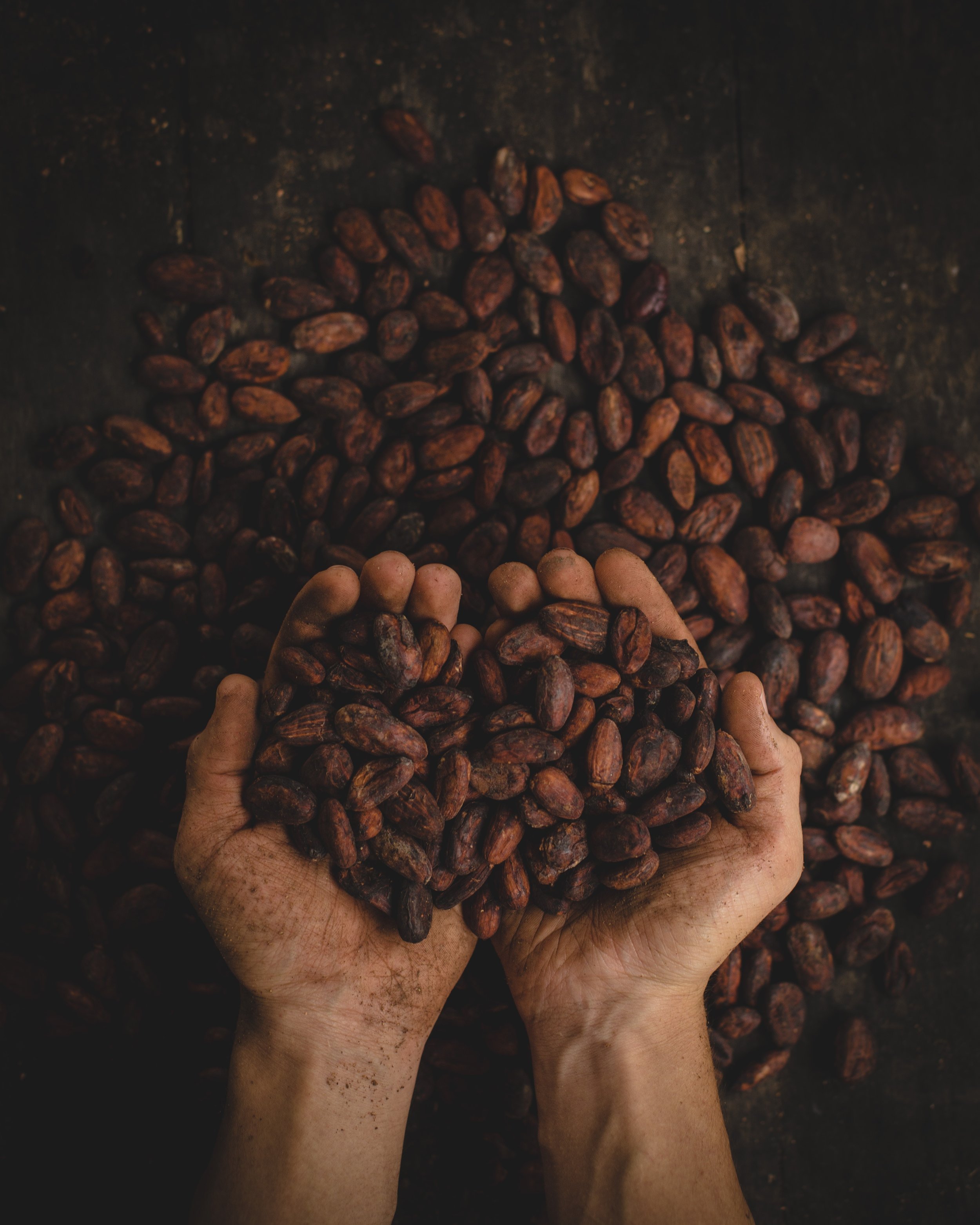
Cacao's origins are deliciously divine with the Mayans and Aztecs believing it was a gift from the gods, bestowed upon the people after the creation of humanity. Creation stories of both people speak of the gods' discovery of cacao in Mountain Sustenance along with other delicious edibles. The Mayan version speaks of a Plumed Serpent god who gave the people a drink made with cacao and maize created by the grandmother goddess Xmucane.
In fact, cacao was so revered, its seeds were used as currency and beverages made from the plant were offered to the gods. While the Mayans generally heated cacao, the Aztecs enjoyed it unheated. It was the drink of choice for the elite class with a mixture of textures and flavors infused through the addition of hot chilies, spices, maize or vanilla.
Often served after an abundant feast in a special cup or xicalli fashioned from a calabash gourd or served to royalty in intricately painted pottery, the frothy libation was said to have healing properties. Ancient texts reveal benefits ranging from cacao's calming effect on mind, body and spirit to it's ability to improve energy levels when consumed. When applied topically, it was said to have a soothing effect on burns and help disinfect cuts.
At the time, only men of royal birth or high status were allowed to enjoy cacao in its liquid form as it was seen as an intoxicating food and was forbidden to women and children for ritualistic use. It was the priests who would prepare the drink for ceremonies and even the baptism of newborns and marriage celebrations invoked the use of cacao. A pre-Spanish, Mayan baptism ritual required that cacao and flowers be ground and mixed with the purity of water to anoint the heads, faces, hands and feet of children. For wedding ceremonies, a corn and cacao mixture filled special pottery and, based on the residue found in ancient vessels, cacao is also believed to have been used in Mayan burials as an offering for the deceased in the afterlife.
Modern Day Cacao
I was taught during my first cacao ceremony, that you always offer thanks to the "cacao gods" before you drink the delicious elixir. It's a practice I continue, often doing a cacao ceremony before meditating. A personal cacao ceremony can include you simply giving thanks as you close your eyes and lift the ceremonial cup to your temple. Ask for the wisdom you need to find you in the process of drinking the richness of cacao, and, for the plant medicine to nourish your body, then sit or lie down in meditation. Each cacao ceremony is personal and you'll find that group ceremonies offer different experiences to the ones you hold in private.
I find each cacao is different, depending on its origins and how it was grown. For example, cacao sourced from the Kokoa Kamili Cooperative in Tanzania tastes delicious but has less of an effect on me than cacao from the Maya Mountain Cacao Cooperative in Belize. This Boundless Belize cacao seems to have a very powerful effect on me and puts me into more of an energetic, meditative state than other cacao I've tried.
My favorite source of cacao at the moment is from Firefly Chocolate. I love that they offer sampler versions to try and while I'm a traditionalist, they also offer cacao infused with rose petals and medicinal mushrooms for those who like something out of the ordinary.
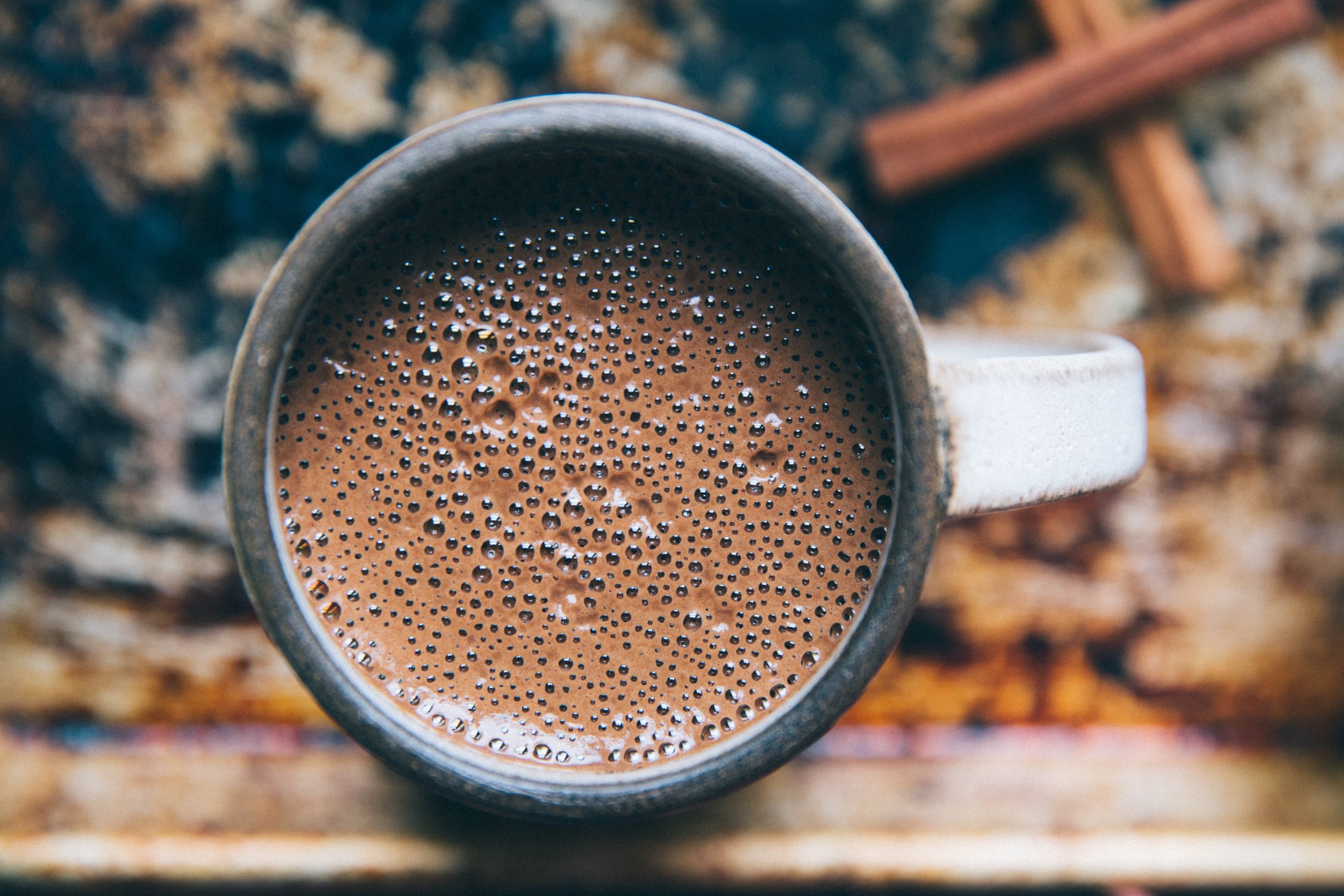
The ceremonial cup is also important. You can use a more traditional version made from gourds or find a beautiful ceramic version that calls to you and brings you joy. Special objects used in ceremony can be anything that makes you happy and fills your heart up. The elements of ceremony are so personal that it's about what you bring into your practice that has meaning for you that is important.
I love using these little tumblers from Knotwork LA , they're the perfect size for sipping rich and luxurious cacao. As an added element to ritual and ceremony, using objects that are handcrafted and created by independent artists is another way to bring something special to your practice. Knowing who harvested your cacao, how it was produced and the people who have dreamed up and created the objects you use brings a cherished element to each moment you create space to re-connect, release and receive the deep medicine of the cacao plant.
All artists and companies featured are based on personal opinion and experience only. Products mentioned are not sponsored. We encourage you to explore cacao ceremonies in your area and research all products prior to purchase.